We continue our guides that show differences in radiator performance depending on the speed of the fans, thickness, and FPI of radiators etc. Today we address the subject of button, pull, push-pull fan setups and how they touch on different radiators and public presentation. We hope to help you adjudicate what considerate of setup is right for you and to show the benefits of apiece.
We have covered the basics about radiators in the Split 1 blog, and in Part 2 we even showed many charts. Start out 2 clarified things approximately radiator performance, how radiator operation is expressed and how Doctor of Osteopathy we show radiator execution charts. And in the Part 3 web log, we've shown differences between slender thick radiators vs large slim ones.
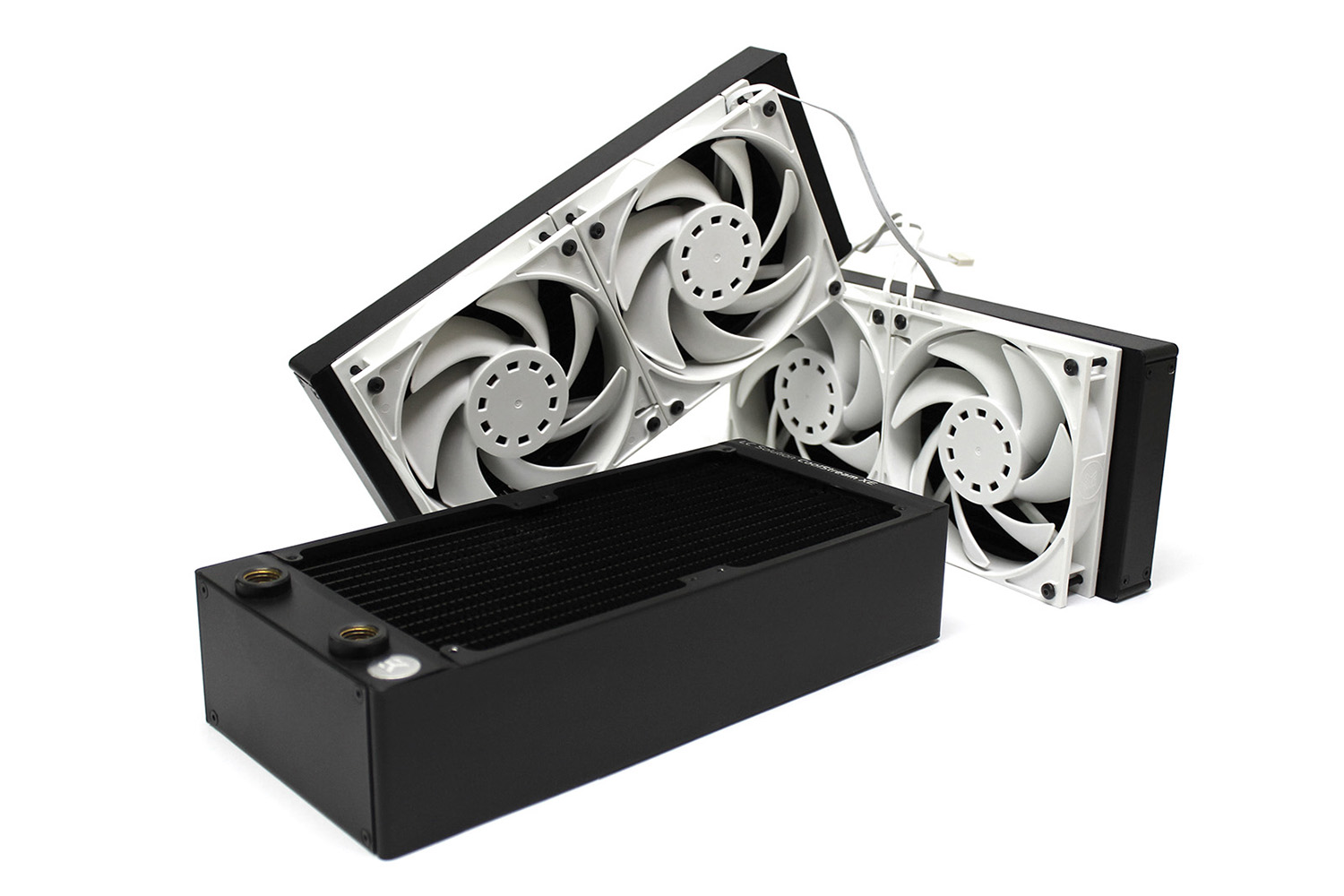
What is push fan configuration?
Therein conformation, the fans are mounted before the radiator and they push air through it.
What is pull buff configuration?
This configuration features fans fanny the radiator pull the air finished it, and draining on the other side.
What is push-pull?
It is a setup where the radiator is sandwiched between 2 sets of fans, which blow in the same focusing.
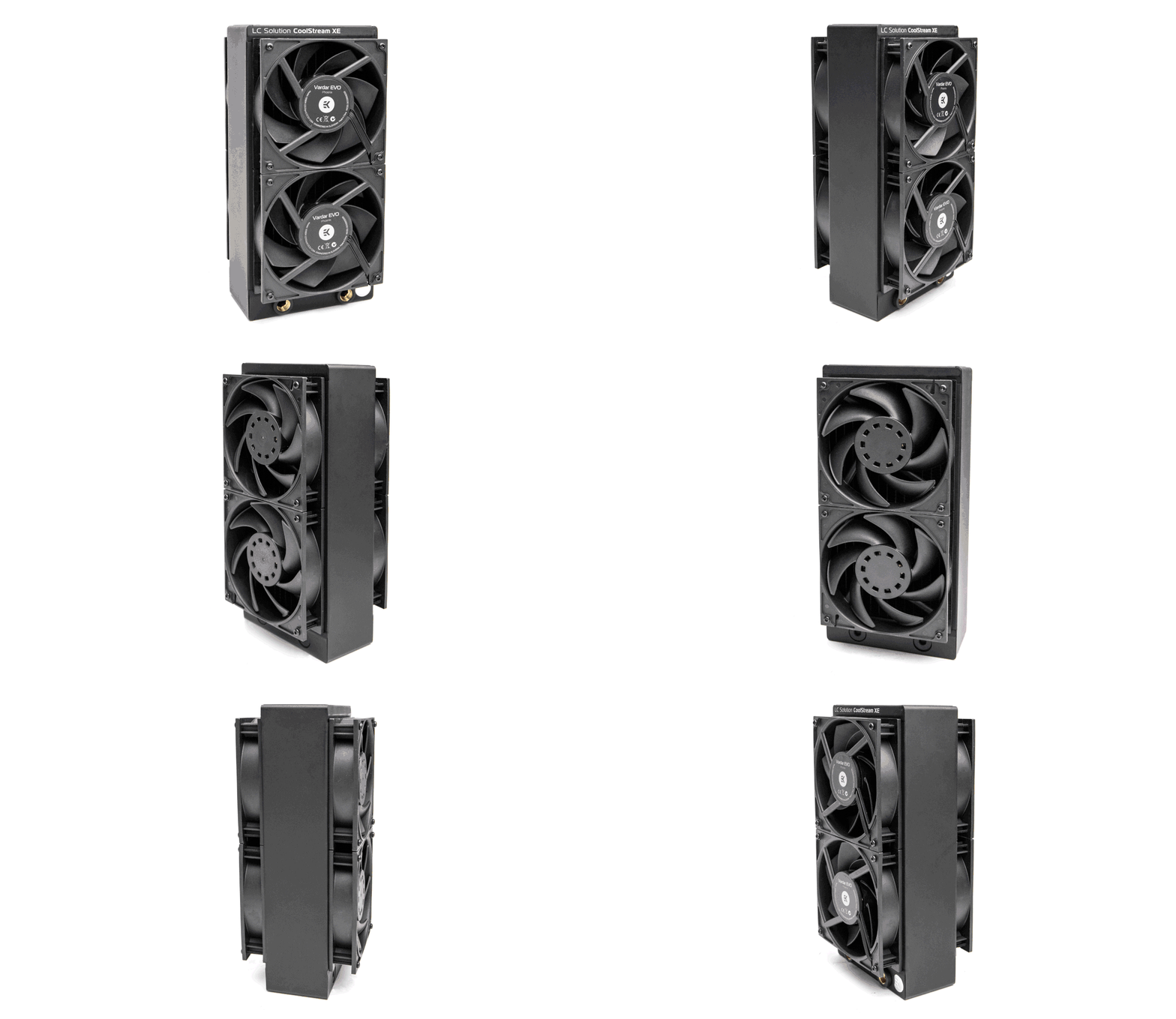
What do you gain ground from push-pull shape and why is it advantageous?
Radiator thickness and add up of fins per inch (FPI) increase heat wastefulness surface, but also survive harder for the devotee to squander air through it. Indeed the more FPI and the thicker the radiator is, the higher the heat dissipation increment will be by having fans in push-pull configurations.
At present you placard that the slim, SE version of our radiator which is only 28mm thick, has more FPI, just let's see if the 60mm thick XE testament benefit from push-puff more than the more densely packed SE.
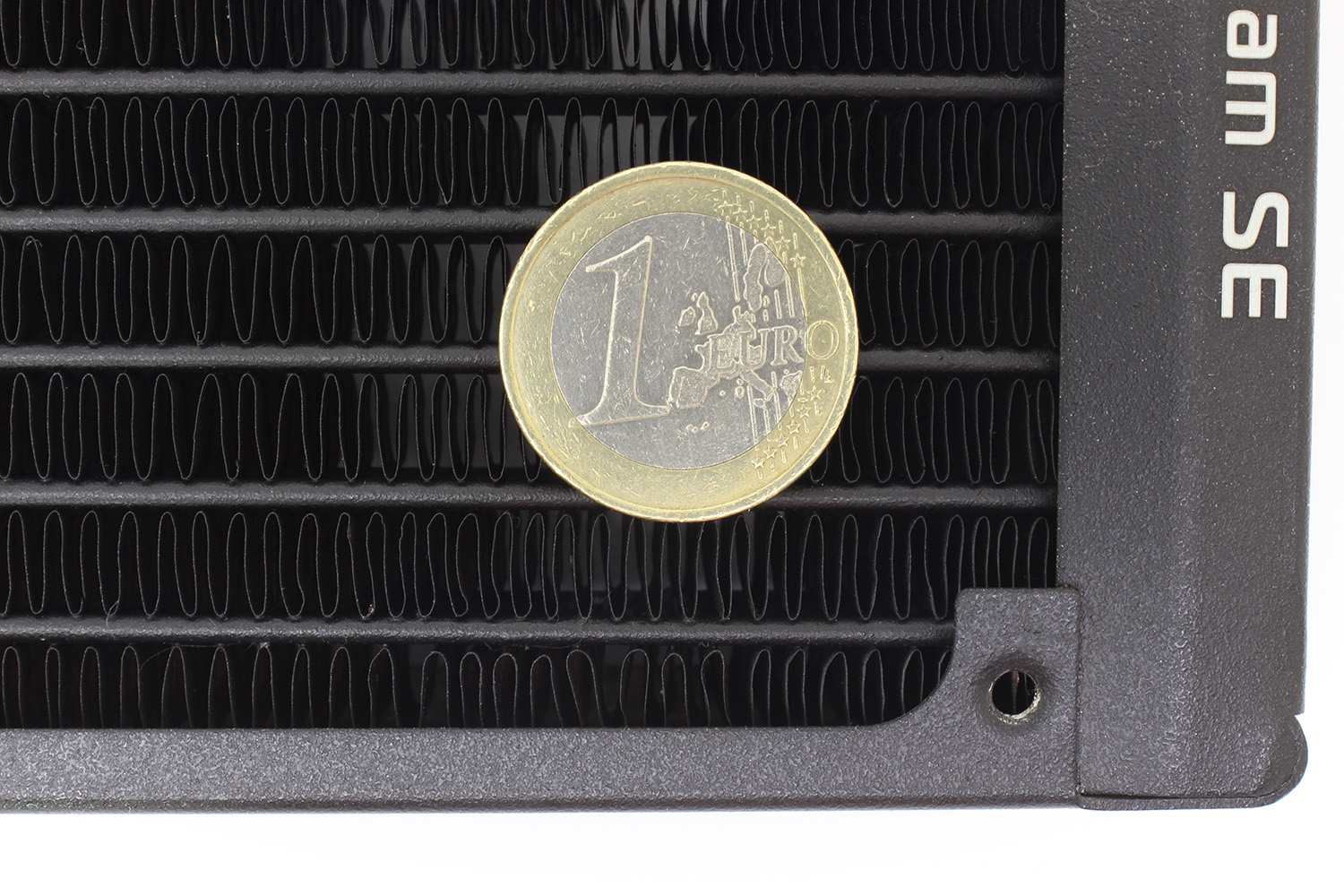
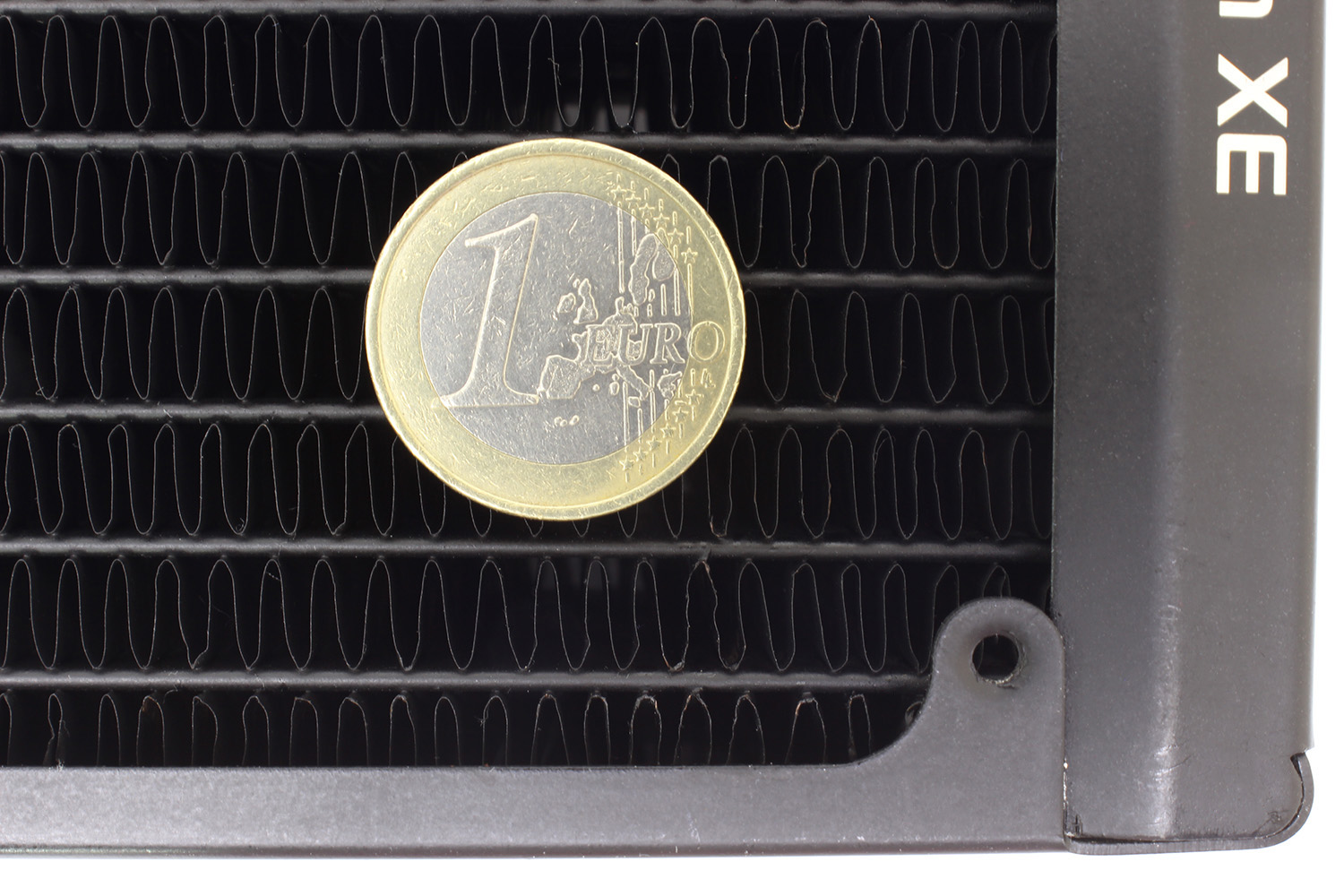
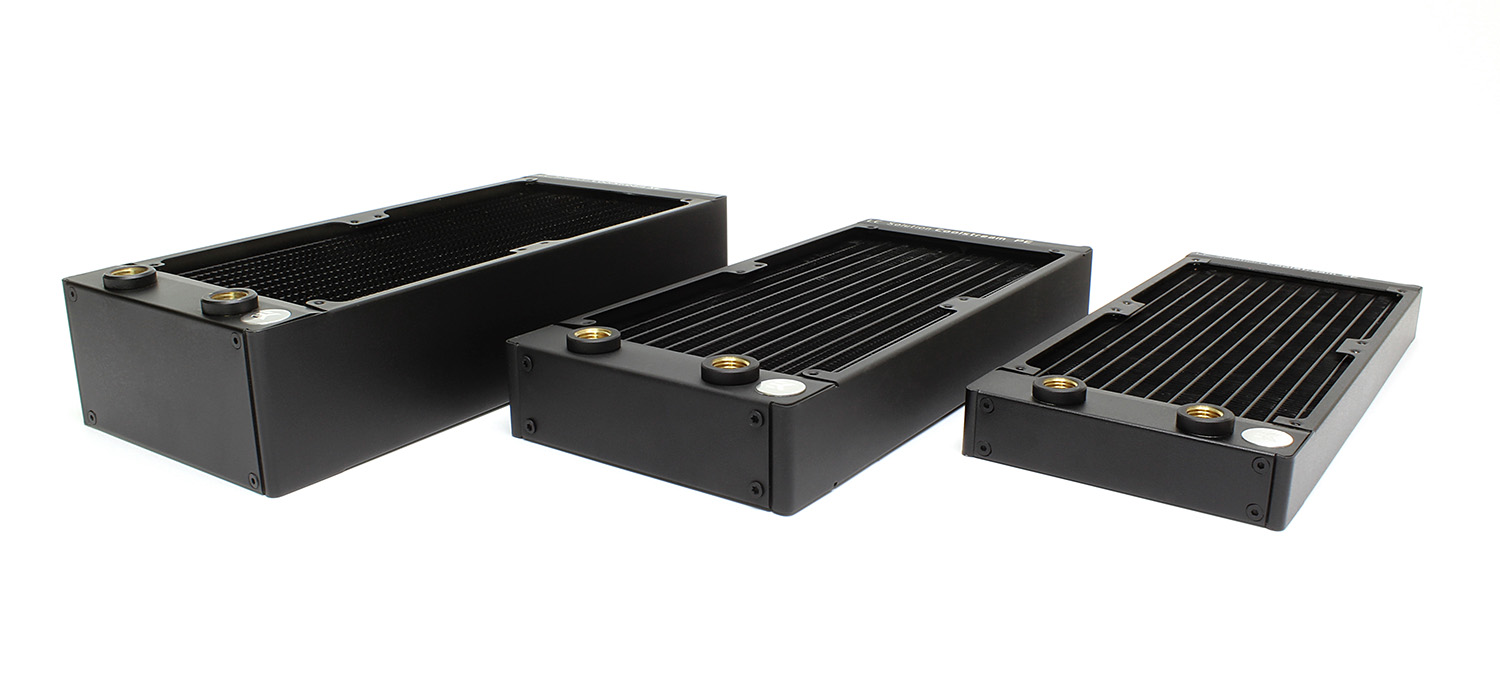
For our examination we've in use a GPU and a Quad core CPU to generate heat. We've set apart our EK Vardar fans to 800 and 1600RPM. We've tested push, pull and push-drag configurations on 240mm variants of our XE (60mm gelatinlike, 16 FPI) and Southeastward radiators (28mm thick, 22FPI).
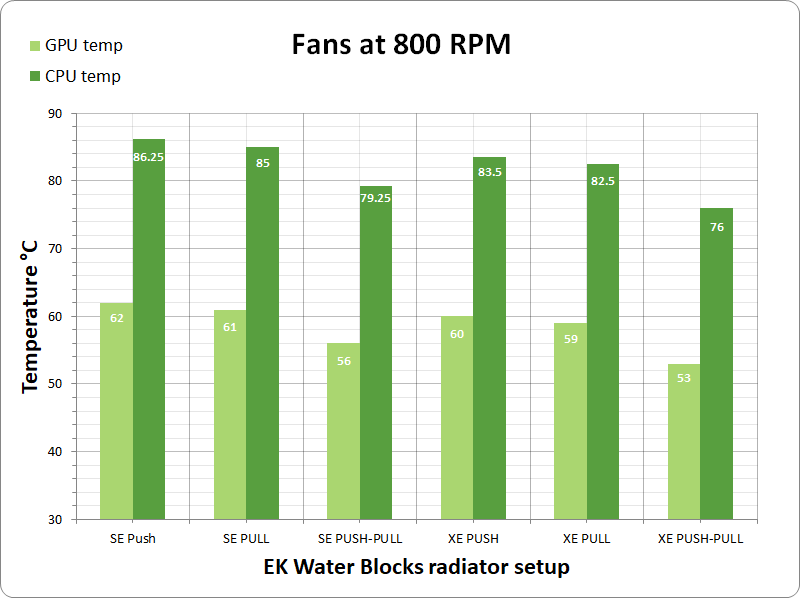
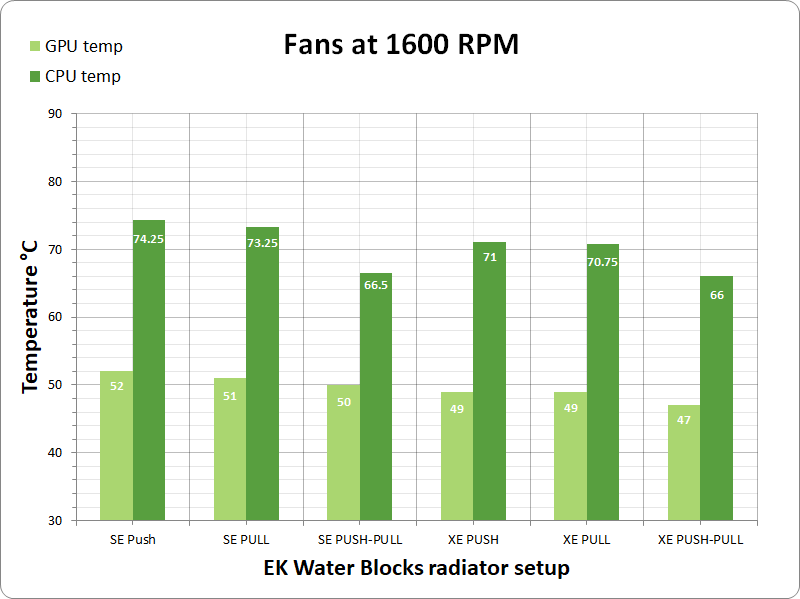
Lets start with the taken for granted, increasing fan RPM from 800 to 1600 nets greater gains than having push-pull set to 800 RPM. But at the cost of significantly more interference. Other thing that we notice is when the fans are running at 1600 Revolutions per minute, we get far less gain from running push-pull configuration as the single set of fans are managing to disperse much more heat from the radiator, so the closer the water temperature and radiator temperature to the close, the less improvement we'll see from maximising the fan speed or doing a push-pull config.
So let's say we need a cool, one of these days whisper quiet system, how do we manage it without adding more radiators?
Let America revisit the 800 Revolutions per minute chart. EKWB XE radiator, even though significantly thicker, on low RPM is very close to our slim SE radiator in functioning receivable to the fans having more trouble getting air through the 60mm thick radiator. That is until the push-pull shape comes into play, where we visit a big conflict. Thicker XE radiator manages to pull significantly out front, almost matching Sou'-east radiator in push configuration connected 1600 Revolutions per minute. There we see the strengths of push-pull configurations – you can aim a quieter system by run fans connected importantly less Rev without sacrificing more than performance.
Or maybe you just want that extra bit of performance to cool an overclocked high end set with SLI/CF and a HEDT Mainframe? Push-pull in fan shape will allow you to get even better thermals and make a point you force some more MHz come out of your computer hardware. Other thing we'd like to note, not related to the push-draw configurations is that Vardar fans do slightly better in pull configurations. With this we conclude the get-up-and-go-pull examination, and we hope that we've helped you choose what rather winnow configuration is right for you.
Eletric Cooling Fans Which Is Better Push Nor Pull
Source: https://www.ekwb.com/blog/push-pull-or-push-pull-on-radiators/